Lead Times, Delivery, Installation and Aftercare
Hospitality projects live or die on the opening date. Rent starts, staff are hired, bookings are taken and the menu is printed — the equipment either arrives and commissions or the venue sits dark. We plan supply and installation around the upside-down reality of commercial kitchen projects: the long-lead items must be ordered before the room exists.
Typical lead times in the Sydney market
- Standard stainless benches, shelving and sinks: 2–4 weeks
- Domestic-market refrigeration and under-bench units: 1–3 weeks from stock
- Imported cooking lines and combi ovens: 8–16 weeks
- Walk-in cool rooms and freezer rooms: 6–10 weeks including panels and refrigeration
- Custom exhaust canopies and make-up air units: 5–9 weeks
- Dishwashers and glass washers: 2–6 weeks depending on model and origin
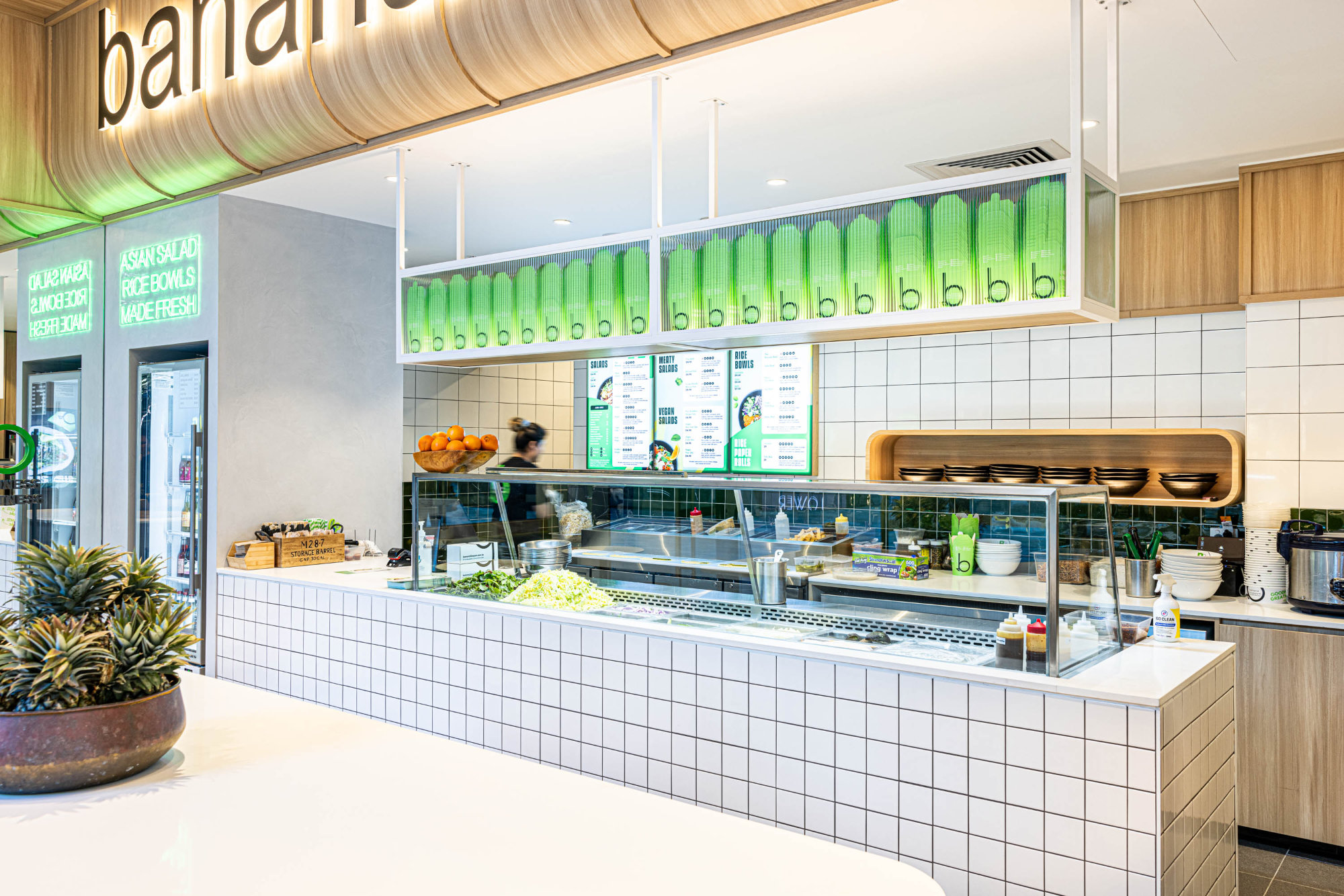
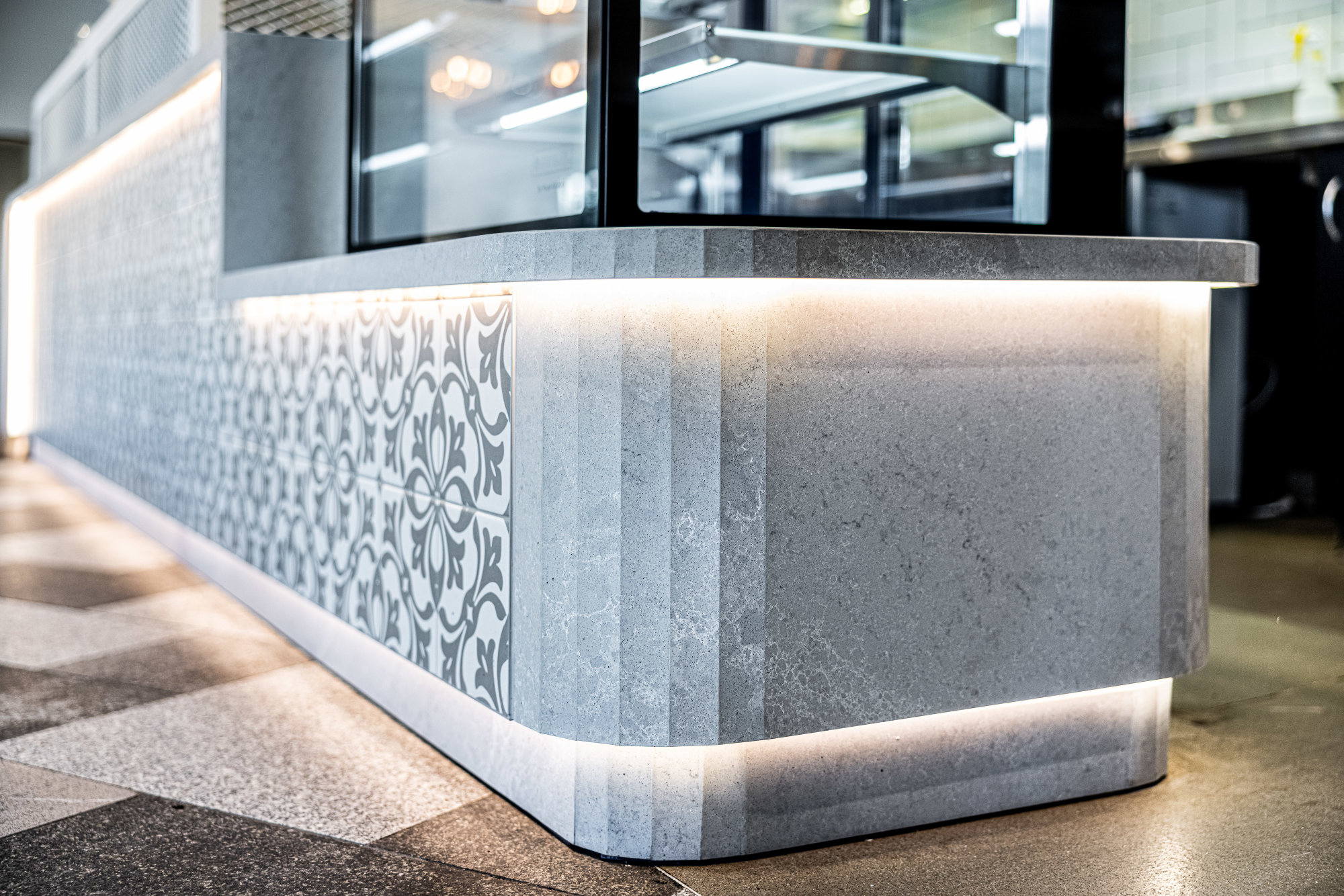
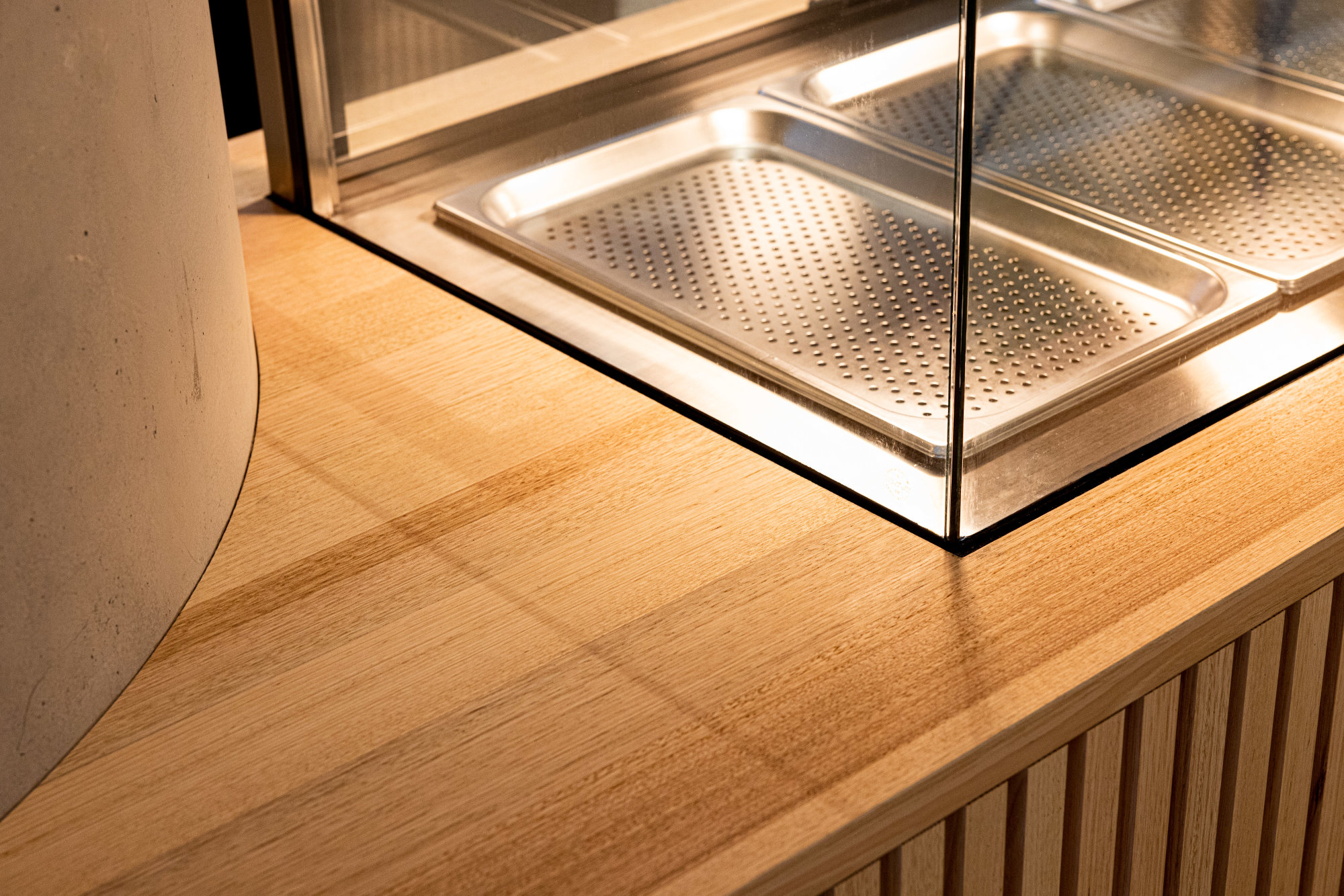
- Bar and front-of-house joinery with integrated equipment: 6–10 weeks with our manufacturing capability
These are working ranges, not promises — shipping, port congestion and single-source components move them. We confirm dates in writing at order and flag slippage as soon as a supplier flags it, so the programme can be re-sequenced rather than discovered.
Installation sequencing
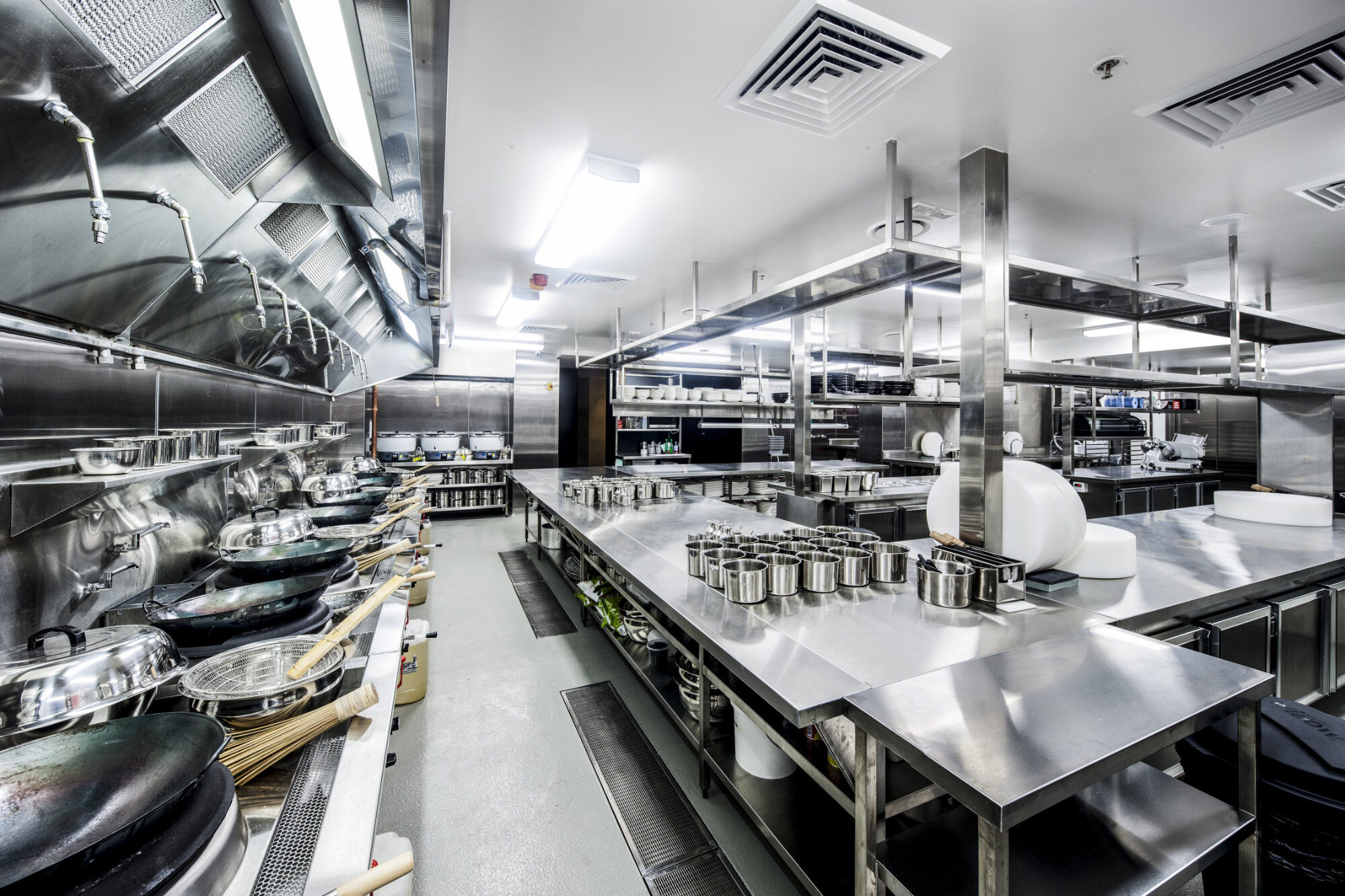
Kitchens are installed in a fixed order: first fix of services and drainage, then ceilings and wall linings, then floor finishes, then equipment setting, then final connections, then commissioning. Setting equipment before the floor is finished means lifting it again. Connecting gas before the canopy is commissioned means nothing can be tested properly.
We coordinate delivery access early: door widths, lift sizes, corridor turns and whether a cool room panel will physically reach the room. Equipment that cannot get in becomes a crane, a road closure and a removed window. Site protection matters too — stainless steel scratches in a way that cannot be polished out on site.
Commissioning and staff training
Commissioning is not “plug in and switch on”. It means verifying gas pressures and combustion, checking refrigeration pull-down and temperature logs, balancing extraction against make-up air, testing dishwasher wash and rinse temperatures, confirming fire suppression interlocks, and measuring noise levels at the boundary where the venue is near residential. We then run a supervised service with the client’s team so the equipment is used the way it was specified — most warranty disputes are really training failures.
Service, warranty and spares
Every item is handed over with its warranty documentation registered in the owner’s name, a spare parts list, and service contact details consolidated in one register rather than scattered across twelve suppliers. We recommend a preventive maintenance schedule covering refrigeration, canopies and duct cleaning, fire suppression inspection, gas appliance servicing and calibration — because a grease-laden duct is both an insurance problem and a fire risk.
Frequently asked questions
Can you supply equipment only, without the fitout?
Yes, though we will still check services capacity and access, because supplying equipment into an under-serviced room helps nobody.
Do you work with our existing equipment?
Regularly. We survey what is serviceable, relocate and re-connect it, and tell you plainly which items are not worth carrying into a new venue.
Who lodges the food premises and trade waste applications?
We prepare the documentation and coordinate lodgement with the council and water authority as part of the approvals package.
What about ventilation noise complaints?
We specify acoustic attenuation on roof plant and check against the council’s noise criteria, particularly for venues in mixed-use and residential buildings.
Can you fit out a kitchen in a heritage building?
Yes — with attention to structural capacity for equipment loads, duct routes that avoid significant fabric, and services penetrations that are documented and approved.
How early should we engage you?
Before the lease is signed, if possible. Services capacity, grease arrestor location and exhaust routes can kill a site, and it is far cheaper to find that out first. See our hospitality fitout and cafe fitout pages, or talk to our team.